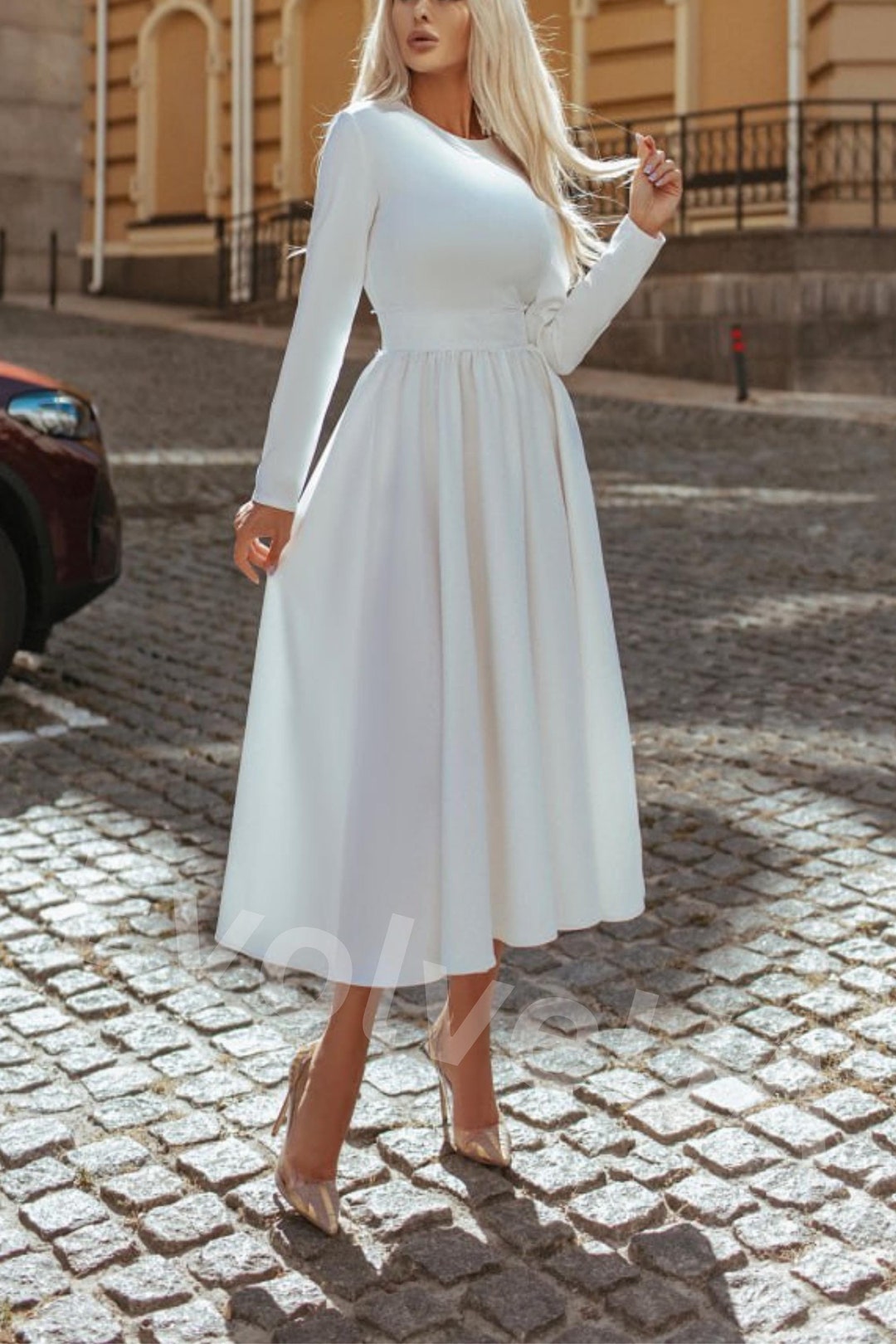
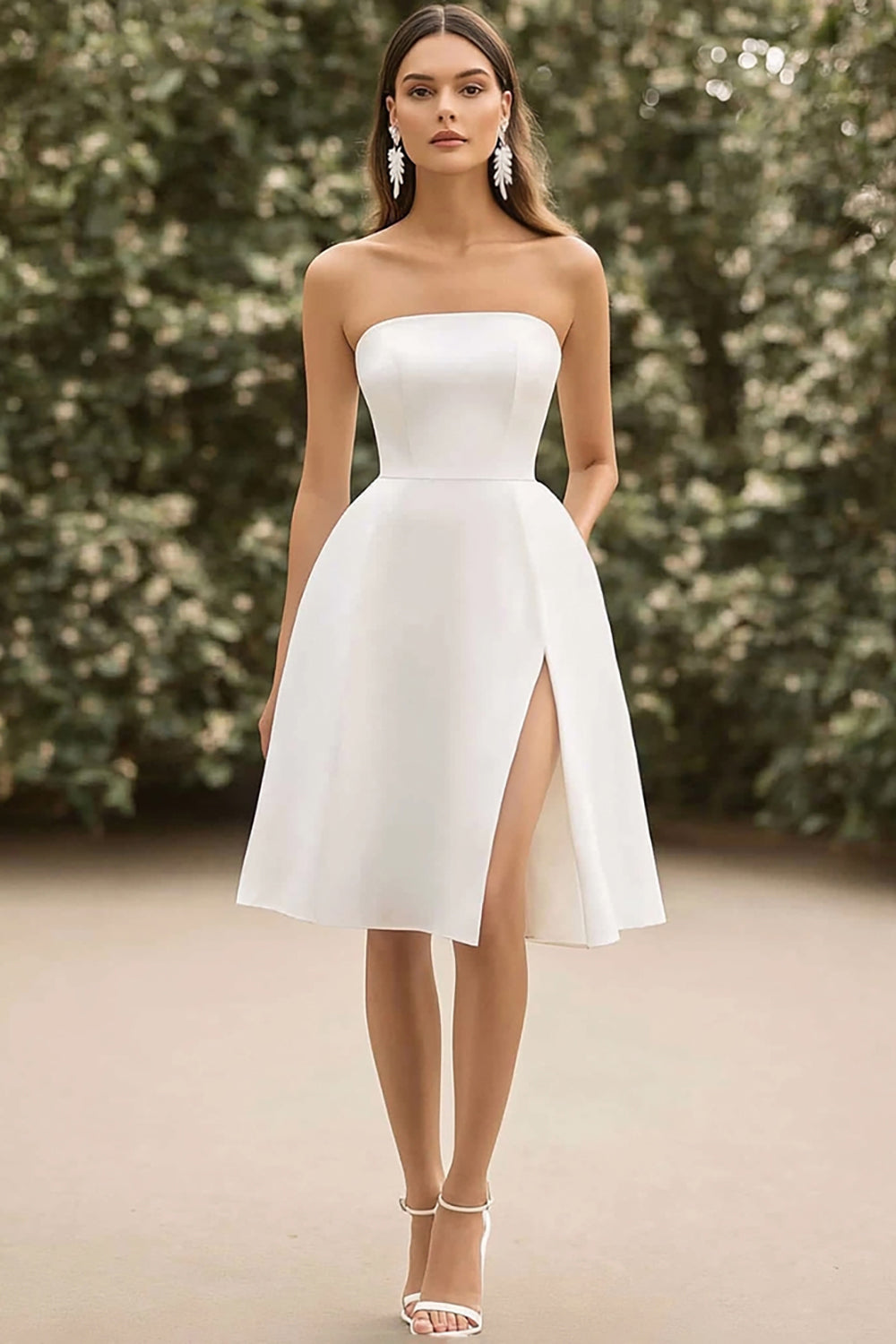
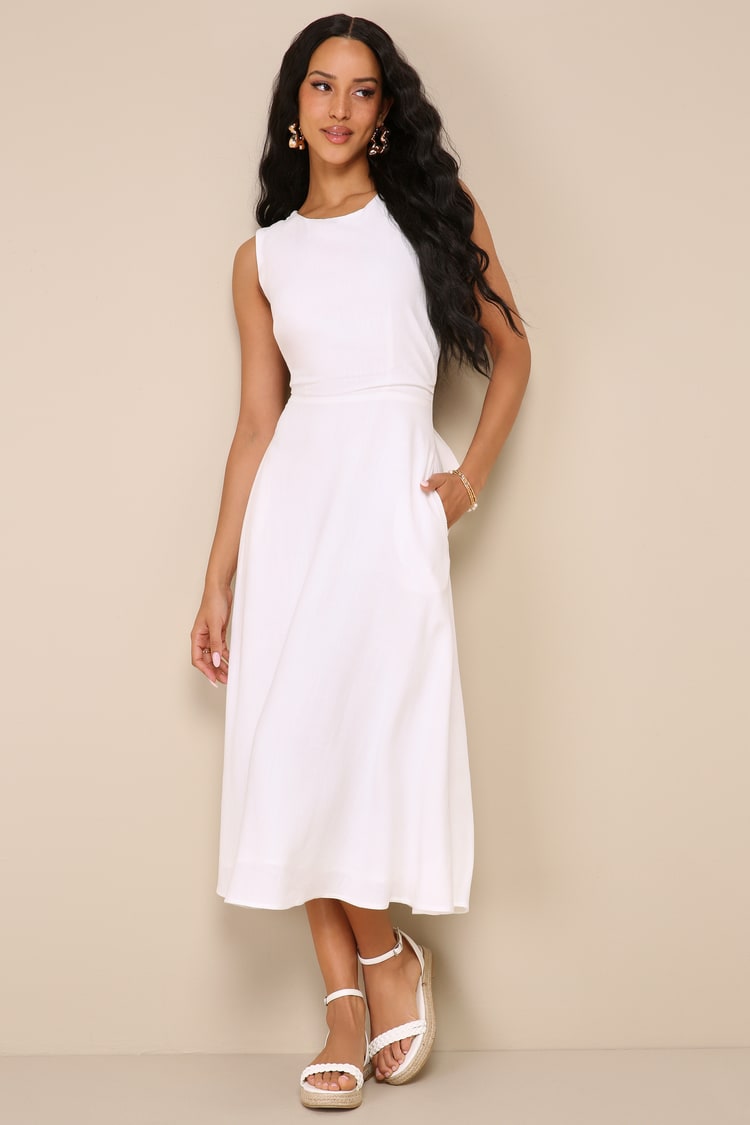
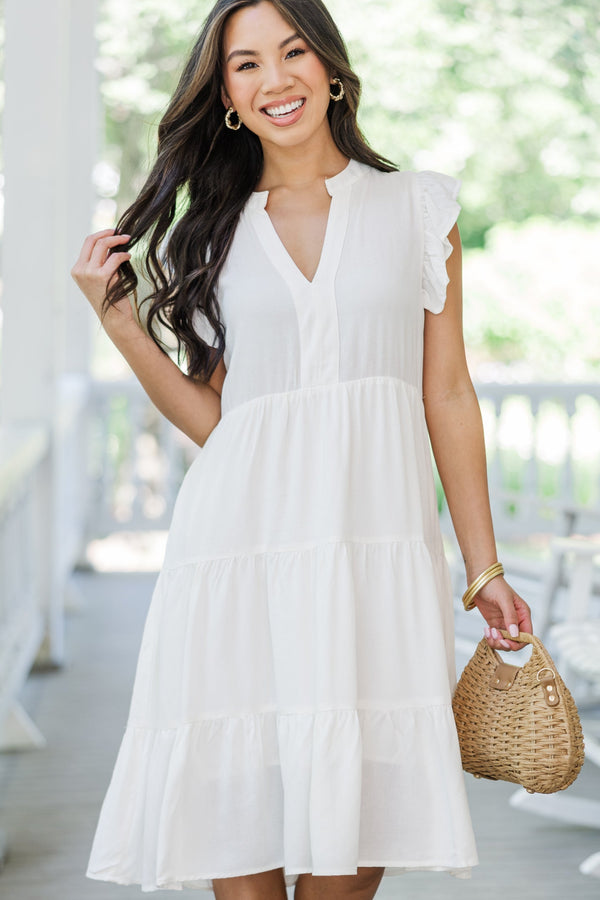
Common materials include: Silk and satin for their lustrous finish and elegant drape Chiffon for flowing, romantic movement Velvet for rich texture and wintertime sophistication Taffeta for structured, voluminous silhouettes Sequined and beaded fabrics for added glamour and sparkle Design Elements Formal dresses often feature intricate details that elevate their sophistication: Elaborate embellishments like beading, sequins, or embroidery Structured bodices with boning or corsetry Dramatic trains or flowing skirts Elegant necklines such as sweetheart, halter, or high neck designs Statement backs with illusion panels, keyhole cutouts, or dramatic open backs When to Wear Formal Dresses Formal attire is appropriate for: Black-tie weddings and galas Military balls and formal ceremonies Opera and theater opening nights Charity fundraisers and high-profile events Prom and formal school dances Award ceremonies and formal banquets Decoding Semi-Formal Dress Codes Semi-formal attire strikes a balance between casual elegance and formal sophistication

With proven quality and customer-approved designs, you can trust that you are making a great choice
Long puffy sleeves with cap detail full sleeves cover the arms while the cap detail softens the shoulder line for a graceful look
You can either soak them overnight and then boil the next day, or cook them in the pressure cooker
With this easy pizza, you dont need to worry about that
Color: Red/Blue/Yellow/Lavender/Hot Pink(For custom colors, please check our Tulle Color Chart and leave a note)